Kenya
The birthplace of the safari. Where the endless plains of the Masai Mara meet the dramatic Great Rift Valley.
The Original Safari
Kenya is a land of contrasts, from the snow-capped peak of Mount Kenya to the white sands of Diani Beach. It is the northern stage of the Great Migration and a stronghold of Maasai culture. We invite you to witness the drama of the wild in its most iconic setting.
The word "safari" is Swahili, and it means journey. It entered the global lexicon through Kenya, through the colonial-era hunting camps that gave way, slowly and not without struggle, to the conservation model that defines East African wildlife travel today. We say this not to romanticise a complicated history but because understanding where something comes from changes how you receive it. When you sit in an open vehicle in the Masai Mara at first light and watch a pride of lions cross a ridge, you are participating in something that has been shaped by more than a century of decisions about how humans and wild animals can share a landscape. That awareness makes it more meaningful, not less.
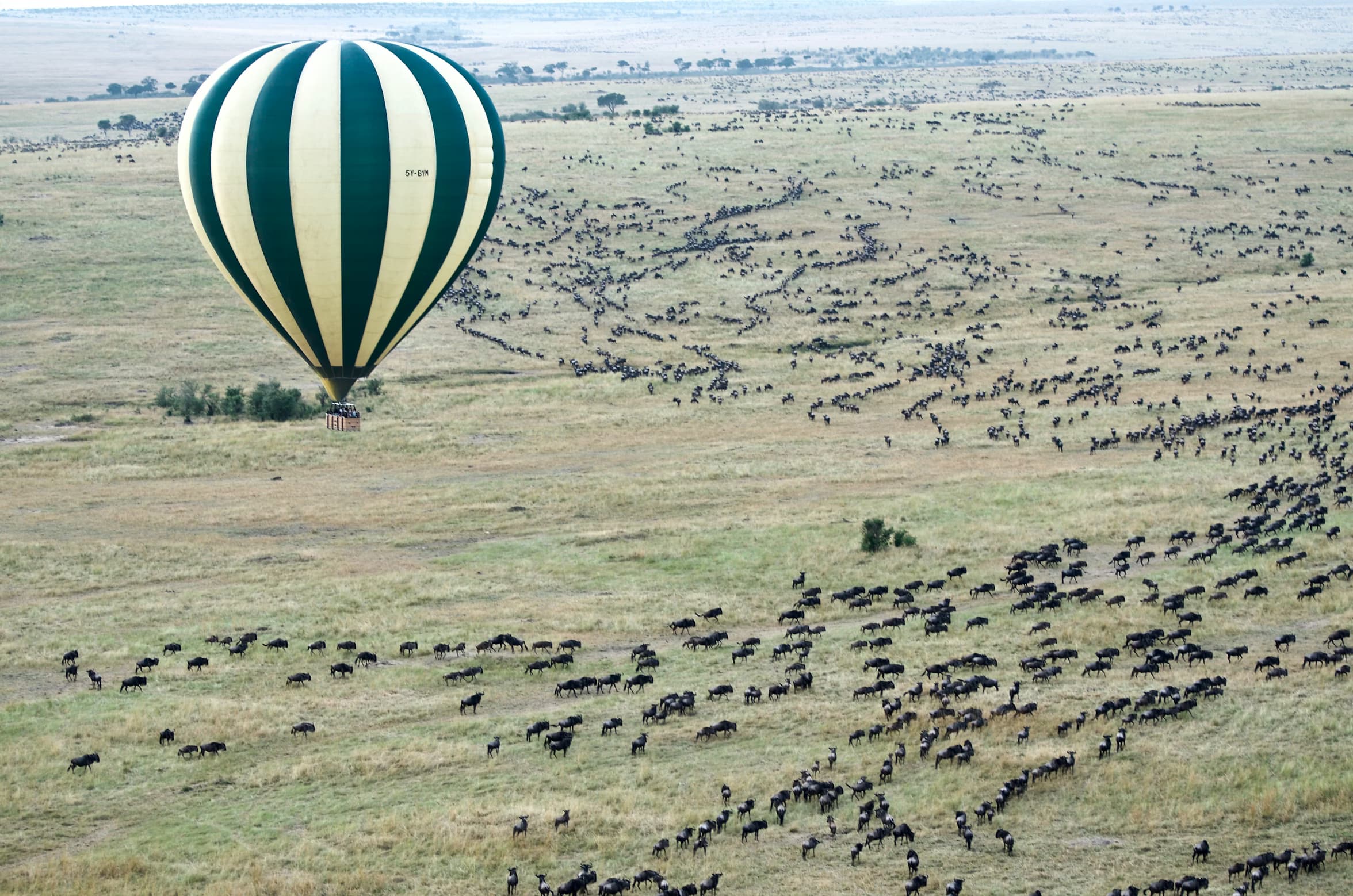
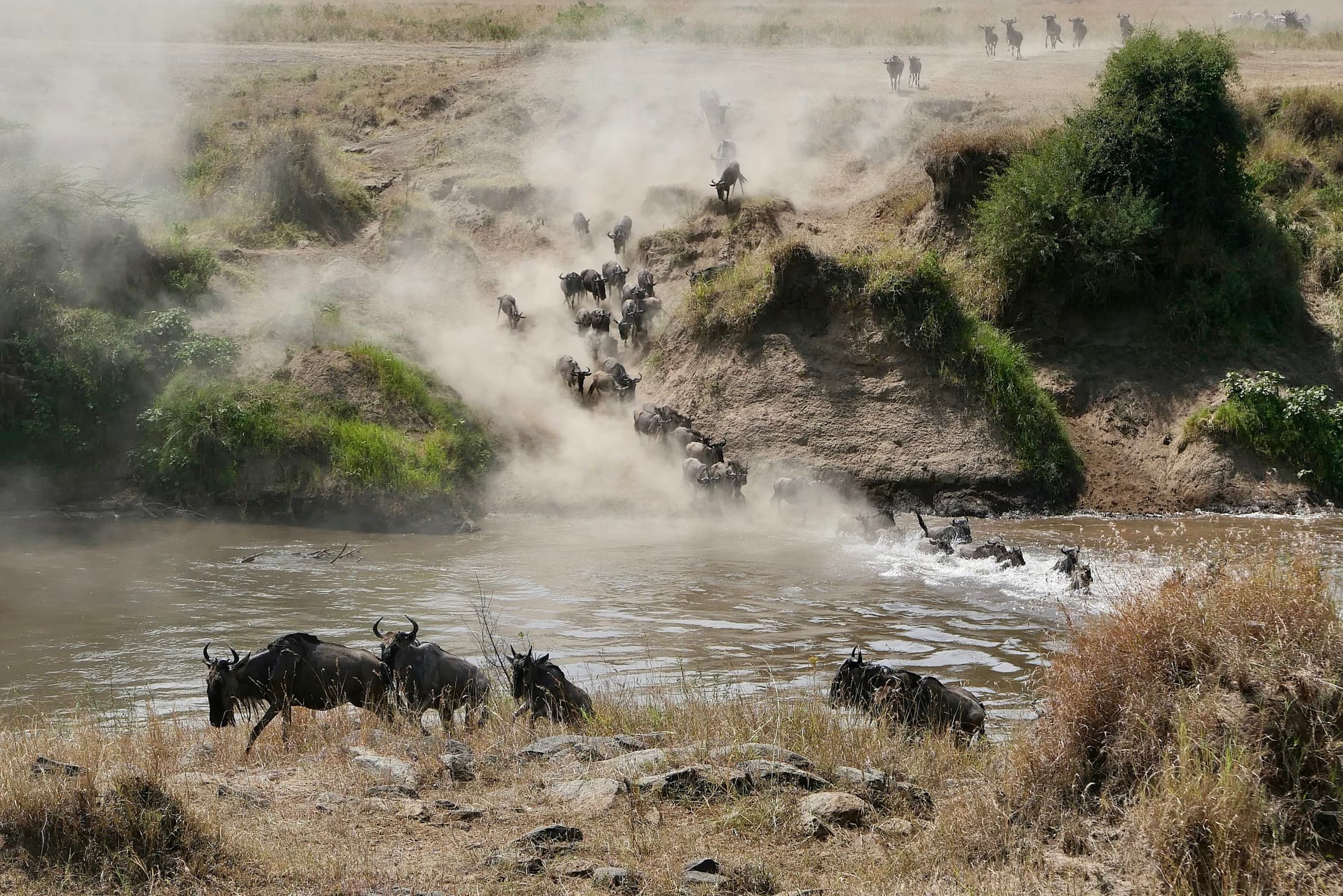
Kenya covers 580,367 square kilometres and encompasses 58 national parks and reserves, an extraordinary density of protected wilderness for a country of its size. The variety within that geography is one of the things that keeps drawing us back. The Masai Mara, at 1,510 km², forms the northern extension of the Serengeti ecosystem, and together they create a protected corridor of more than 25,000 km² across which the Great Migration moves in its seasonal arc. The Mara is where the wildebeest cross the river, that particular theatre of crocodile and current and sheer animal determination that has made Kenya synonymous with wildlife drama.
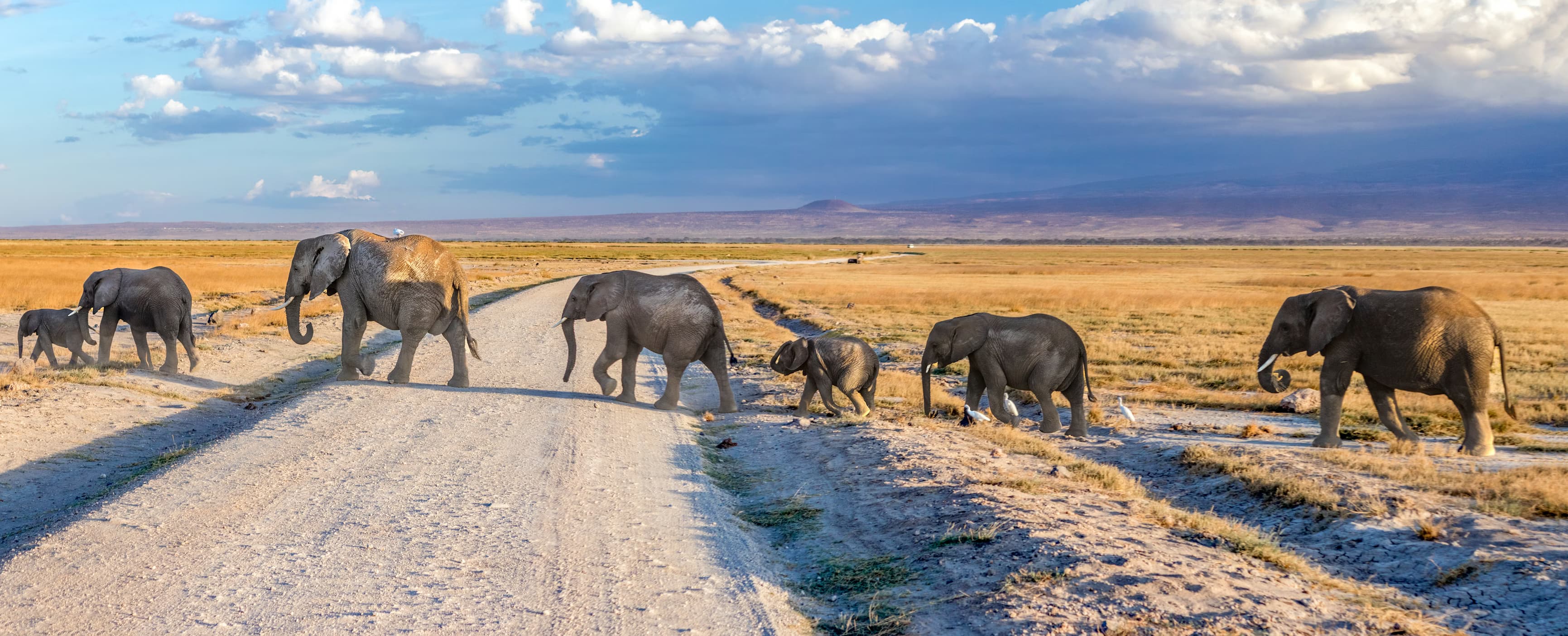
But the Mara is not the whole of Kenya, and one of the things we find ourselves saying frequently is that the country rewards the traveller who stays long enough to discover its quieter registers. Amboseli, in the south, is a different kind of place entirely, vast shallow lake beds and dust devils and elephant herds so large they seem to move like weather systems, all of it framed by the 5,895-metre summit of Mount Kilimanjaro across the Tanzanian border. The photography from Amboseli, elephants silhouetted against the mountain, legs in mist at dawn, is among the most iconic in all of African wildlife imagery. The reality, when you are standing in it, is more overwhelming than any image.
Further north, in the semi-arid terrain around Samburu, you encounter species that do not exist further south: the reticulated giraffe, the Beisa oryx, the Grevy's zebra, distinctive enough from their southern cousins that serious wildlife travellers specifically plan circuits to include them. Samburu has an intimacy to it, a quietness that contrasts with the high drama of the Mara. The lodges here are small. The riverine forest along the Ewaso Ng'iro draws elephants and leopards in extraordinary concentration.
For those who want to extend beyond the savannah, Kenya offers the white sand coast and coral reefs of the Indian Ocean, Diani Beach in particular, a stretch of fine sand south of Mombasa that pairs naturally with a Mara itinerary as an ending note of stillness and salt water. We often recommend a Kenya circuit that moves from north to south, Samburu, then the Mara, then the coast, as a way of experiencing the country's full range rather than its highlight reel alone.
The private conservancies bordering the Masai Mara, Ol Kinyei, Naboisho, Mara North among them, are, in our view, where the most considered Kenya safari experience can be found. These conservancies allow off-road driving, night drives, and walking with a Maasai guide: three things that are not permitted inside the national reserve itself. The vehicle density is dramatically lower. The sense that you have the landscape to yourself, which is, ultimately, what people are seeking when they imagine Africa, is much easier to achieve.
When to Witness the Magic
The Migration (August)
The peak of the Great Migration, featuring the death-defying Mara River crossings.
Short Rains (November)
A beautiful time for bird watching and lush, green landscapes with fewer crowds.
The Masai Mara
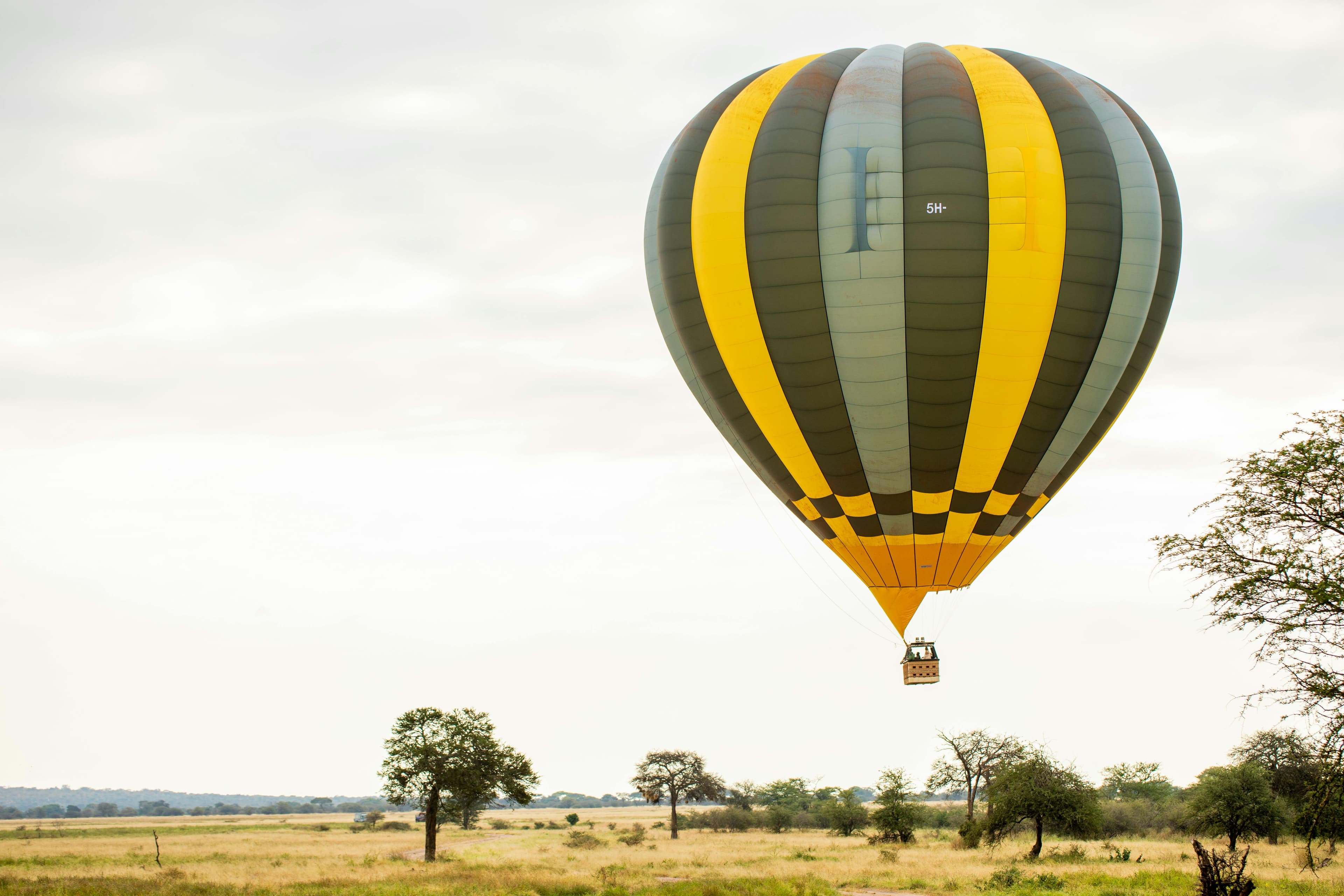
An extension of the Serengeti ecosystem, the Mara is world-renowned for its exceptional population of lions, leopards, and cheetahs. From July to October, it hosts the dramatic river crossings of the Great Migration.
- Big Cats & Migration
- Luxury Tented Camps
Amboseli National Park
Famous for its massive herds of elephants with impressive tusks, set against the breathtaking backdrop of Mount Kilimanjaro across the border. It offers some of the finest photographic opportunities in Africa.
- Kilimanjaro Views
- Elephant Conservation
Explore the North
Combine Kenya and Tanzania for the ultimate East African circuit.
Start the Conversation